Elizabeth II's corgis: the Windsor line, the breeders and the Pembroke breed
How Elizabeth II's corgis were bred, fed and named, what the Welsh cattle dog was bred for, and how her reign changed the number of Pembroke corgis in Britain.
By Purrealism. Part of Royal pets in history: the real dogs and cats of kings, queens and emperors.
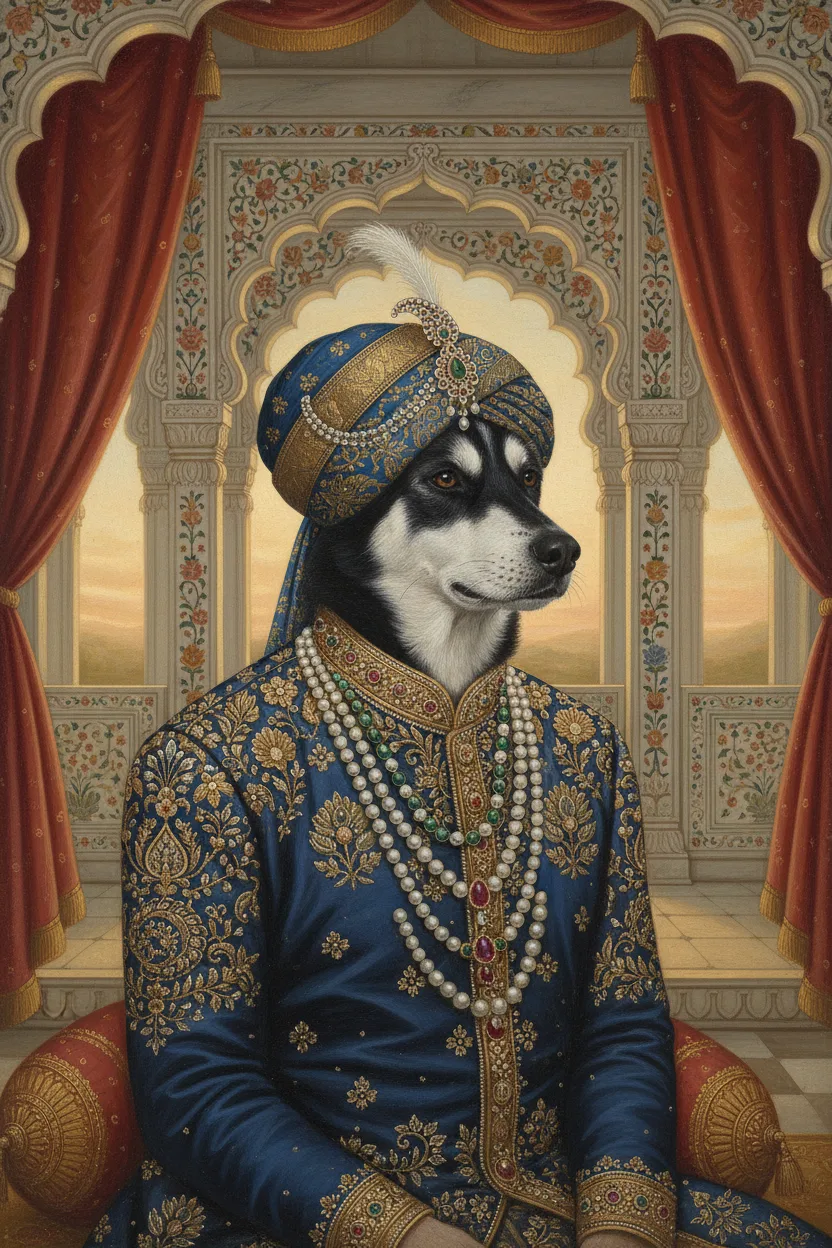
This page looks at Queen Elizabeth II's corgis as a breeding line and as working dogs from Wales. It explains where the Pembroke corgi came from, who bred the royal dogs, how the Queen looked after them day to day, and how the number of corgis in Britain rose and fell during her reign. The short story of Susan, Dookie and the dorgis is told in our article on royal dogs in history; this page picks up the details that article leaves out. For other royal animals, start at the royal pets in history guide.
A cattle dog from Wales
Before it was a royal pet, the corgi was a farm worker. The Royal Kennel Club says the word corgi is thought to come from the Welsh cor, meaning dwarf, and gi, meaning dog. The American Kennel Club says the origin is debated, and that some trace it to the Welsh word curgi, meaning to watch over.
Both corgi breeds were heelers. The Royal Kennel Club explains the word: a heeler moves cattle by getting in and around their heels to drive them forward. Short legs suit the job. The club says corgis drove cattle by day and guarded them at night. The American Kennel Club adds that Welsh farmers used them to take cows to common grazing land and bring them home for milking, and also to catch rats and guard the family.
The American Kennel Club says that in the 1850s there were corgis on almost every farm in Wales. When farmers moved to raising sheep in fenced fields, they needed longer-legged dogs, and the Border Collie took over. By the early 1900s the corgi was disappearing from Welsh farms.
Pembroke and Cardigan
There are two corgi breeds. The Royal Kennel Club says the Cardigan is thought to be the older of the two. It has a longer body, a full tail and front legs that bow outward. It was once called the yard dog, because it measured one Welsh yard, 102 cm, from nose to tail. The Pembroke is smaller and shorter in the body, with smaller ears and straighter front legs. The two were bred together at first, and the Kennel Club recognised them as separate breeds in 1934.
| Pembroke corgi | Cardigan corgi | |
|---|---|---|
| Age of the breed | Thought to be the younger | Thought to be the older |
| Body | Shorter, straighter front legs | Longer, front legs bowed outward |
| Tail | Traditionally docked; some breeders now aim for natural short tails | Always left long |
| Standard colours in the UK | Red, sable or fawn with white, and tricolour | A wider range, including blue merle, brindle, red, sable and tricolour |
| Listed as a vulnerable native breed | No | Yes |
The Royal Kennel Club says the Pembroke has always been the more popular of the two, and adds that royal support since the reign of George VI may have helped.
How corgis came into the royal family
The Royal Kennel Club says the Queen was the first British monarch to take an interest in corgis. In the early 1930s the young Princesses Elizabeth and Margaret met a Pembroke corgi that belonged to the children of family friends. At the time the breed was well known in Wales and new in England. The girls wanted one of their own.
Their parents, then the Duke and Duchess of York, asked the breeder Thelma Gray for a puppy. She brought three from her Rozavel kennels in Surrey, and the family chose one together. His registered name was Rozavel Golden Eagle. Gray's kennel staff called him Dookie once they knew he was going to the Duke of York's household. A press photograph of Princess Elizabeth with the puppy in 1933 drew wide public interest.
A second Rozavel dog, Lady Jane, followed. The club says a children's photo book, Our Princesses and Their Dogs, came out in December 1936. Jane had two puppies, Carol and Crackers, but none of this first group of royal corgis carried on the line.
Susan and the Windsor line
The line began with Susan. The official Royal Family website says Princess Elizabeth was given Susan for her 18th birthday, and that many dogs were later bred from her. The Royal Kennel Club gives her registered name as Hickathrift Pippa and says she went with Elizabeth on her honeymoon in 1947.
Susan was mated to one of Thelma Gray's dogs, the champion Rozavel Lucky Strike. The club says this mating founded the line of Windsor Pembroke corgis, which continued for 15 generations. Susan died in 1959. Her gravestone at Sandringham reads: "Susan / born 20 February 1944 / died 26 January 1959 / for almost 15 years the faithful companion of the Queen." Pet memorials of this kind are the subject of our pet memorial portraits guide.
How the Queen kept her dogs
The Royal Kennel Club describes the Queen as a pet owner first. Her corgis' food was prepared in the royal kitchens. With some help from her footmen, she fed them herself in the Corgi room, where their wicker sleeping baskets were kept. She walked them as often as she could.
She liked the traditional type of corgi: sturdy, with a fox-like face, a deep red coat and the energy to do a day's work with cattle. The club says she told a visitor at Crufts in 1969 that one of her dogs was trained to move cattle. In 1981, it was reported that 13 corgis went with her to Balmoral for the summer.
Her main helper was Nancy Fenwick, the wife of a gamekeeper at Windsor. Fenwick cared for the dogs in her own home on the Windsor estate when the Queen was away, and arranged matings with breeders whose dogs the Queen admired. Those breeders usually received a puppy from the litter as a gift.
The club lists the Queen's names for her dogs. Some came from food and drink, such as Honey, Sugar, Whiskey and Sherry. Others came from nature, such as Jay, Linnet and Foxy.
The last litter
The final litter the Queen bred herself was born on 9 July 2003. It had eight puppies, all named after plants: Bramble, Cedar, Holly, Jasmine, Larch, Laurel, Rose and Willow. She kept Willow and Holly and did not breed again. The Royal Kennel Club says the Queen Mother's three corgis later joined her dogs at Windsor, and that she took in Nancy Fenwick's surviving dogs after Fenwick died in 2015.
Willow died in 2018. The Kennel Club said at the time that she was the fourteenth generation descended from Susan. The Queen kept dogs after that. When she died in September 2022, NPR reported, citing a source who spoke to the BBC, that her two young corgis, Muick and Sandy, would live with her son Andrew and his former wife at Royal Lodge on the Windsor estate. Andrew and his daughters had given her the two dogs in 2021. NPR also named a cocker spaniel, Lissy, and a dorgi, Candy, among her dogs.
Never in the show ring
The Queen never entered her corgis in dog shows. The Royal Kennel Club says her working Labradors and cocker spaniels did well in field trials, competitions for gun dogs. Only one Windsor corgi was shown: Windsor Loyal Subject, a son of her dog Windsor Brush, whom she gave to Thelma Gray. With the Queen's approval, Gray showed him, and he won two Challenge Certificates, the awards that count toward a show champion title.
How her reign changed corgi numbers
The Kennel Club counts puppy registrations every year, and it links the Pembroke corgi's numbers to the Queen's reign.
| Year | What the Kennel Club recorded |
|---|---|
| 1944 | Registrations rose by 56 per cent, the year Susan was born |
| 1960 | Peak of nearly 9,000 puppies, seven years after the coronation |
| 1980 | 1,806 registrations |
| 2009 | Added to the At Watch list, for breeds with 300 to 450 registrations a year |
| 2014 | 274 puppies, placing it on the Vulnerable Native Breeds list |
| 2017 | 456 puppies; off the At Watch list at the start of 2018 |
| 2021 | 1,223 puppies, the first time over 1,000 since 1994 |
The club says the 1960 peak came as television gave people more views of the royal family, including the Queen's first televised Christmas address in 1957. It credits the rise after 2017 to the Netflix series The Crown, which shows a young Queen with her dogs. The Royal Kennel Club also names the 2012 London Olympics opening ceremony, where the Queen and her corgis appeared in a short James Bond film with the actor Daniel Craig.
A corgi in the royal pets series
Elizabeth II's corgis are the newest dogs in this series, and the best recorded. Three centuries earlier, Charles II's spaniels left their name on two breeds. For another royal line that a breed now carries, read about the Pekingese and the Chinese emperors.
The cover of this page shows a corgi and husky mix from the studio examples, painted in the Indian Royalty style. You can compare finished portraits in the gallery, and start your own corgi's portrait in the portrait studio with one clear photo of up to 5 MB.
Questions and answers
Why does the Queen have corgis?
Queen Elizabeth II had corgis because she fell for the breed as a child. The Royal Kennel Club says Princesses Elizabeth and Margaret met a Pembroke corgi owned by the children of family friends in the early 1930s and wanted one of their own. Their parents, then the Duke and Duchess of York, went to the breeder Thelma Gray, who brought three puppies to choose from.
Who bred the royal family's first corgi?
Thelma Gray bred the royal family's first corgi at her Rozavel kennels in Surrey. The Royal Kennel Club says his registered name was Rozavel Golden Eagle, and that her kennel staff gave him the pet name Dookie once they knew he was going to the Duke of York's family. A press photograph of Princess Elizabeth with the puppy in 1933 made the breed better known.
What was Susan's registered name?
Susan, the corgi Princess Elizabeth received for her 18th birthday in 1944, was registered with the Kennel Club as Hickathrift Pippa. The Royal Kennel Club says Susan went with the princess on her honeymoon in 1947. She was mated to Thelma Gray's champion Rozavel Lucky Strike, and that mating founded the line of Windsor Pembroke corgis, which the club says continued for 15 generations.
What did the Queen's corgis eat?
The Queen's corgis ate food prepared in the royal kitchens. The Royal Kennel Club says Elizabeth II fed them herself, with some help from her footmen, in a room called the Corgi room, where the dogs' wicker sleeping baskets were also kept. The club adds that she walked them as often as she could, and that she remained a hands-on owner despite the demands on her time.
What were the Queen's corgis called?
The Queen's corgis had names drawn from food and drink, such as Honey, Sugar, Whiskey and Sherry, and from nature, such as Jay, Linnet and Foxy, according to the Royal Kennel Club. Her final litter, born on 9 July 2003, had plant names: Bramble, Cedar, Holly, Jasmine, Larch, Laurel, Rose and Willow. Her last two corgis were called Muick and Sandy.
When did the last of the Queen's own corgis die?
The last corgi the Queen bred herself, Willow, died in 2018. The Kennel Club said at the time that Willow was the fourteenth generation descended from Susan, the corgi given to Princess Elizabeth in 1944. Willow came from the final litter the Queen bred, born on 9 July 2003. The Queen kept two of those eight puppies, Willow and Holly, and did not breed another litter.
What happened to the Queen's corgis when she died?
The Queen's two corgis, Muick and Sandy, were to live with her son Andrew and his former wife at Royal Lodge on the Windsor estate, according to NPR in September 2022. NPR based this on a source who spoke to the BBC. It said Andrew and his daughters had given her the two young dogs in 2021, after the death of Prince Philip. NPR also named a cocker spaniel, Lissy, and a dorgi, Candy.
Did the Queen show her corgis at dog shows?
Queen Elizabeth II never entered her corgis in dog shows, according to the Royal Kennel Club. Only one Windsor corgi competed: Windsor Loyal Subject, a son of the Queen's dog Windsor Brush, whom she gave to the breeder Thelma Gray. Gray asked the Queen's permission to show him, and he won two Challenge Certificates, the awards that count toward a show champion title.
What were corgis bred for?
Corgis were bred to work cattle on Welsh farms. The Royal Kennel Club says both corgi breeds were heelers, driving cattle forward by getting around their heels during the day and guarding them at night. The American Kennel Club adds that they also took cows to common grazing land, caught rats and guarded the family, and that longer-legged Border Collies later replaced them for herding sheep.
What does the word corgi mean?
The word corgi most likely comes from the Welsh cor, meaning dwarf, and gi, meaning dog, according to the Royal Kennel Club. The American Kennel Club says the meaning is debated, and gives a second explanation: that the name comes from the Welsh word curgi, meaning to watch over. Both clubs agree that the corgi is a Welsh dog, bred to drive and guard cattle.
How did the Queen affect how popular corgis were?
Queen Elizabeth II's reign tracked the rise and fall of the Pembroke corgi in Britain, according to the Kennel Club. Registrations jumped by 56 per cent in 1944, the year Susan was born, and peaked at nearly 9,000 puppies in 1960. They fell to 274 in 2014, putting the breed on the club's vulnerable list, then rose to 1,223 in 2021.
Sources
- The Queen's Corgis, The Royal Kennel Club. Accessed September 28, 2026.
- Welsh Corgi (Pembroke), The Royal Kennel Club. Accessed September 28, 2026.
- Welsh Corgi (Cardigan), The Royal Kennel Club. Accessed September 28, 2026.
- Corgis and the Queen: Kennel Club reminder about the disappearing breed as Queen's last Corgi passes away, The Royal Kennel Club. Accessed September 28, 2026.
- Queen's corgi off 'at risk' list for first time in almost a decade, The Royal Kennel Club. Accessed September 28, 2026.
- Corgi soars in popularity, The Royal Kennel Club. Accessed September 28, 2026.
- Pembroke Welsh Corgi History: Where the Breed Originated, American Kennel Club. Accessed September 28, 2026.
- Queen Elizabeth II's hobbies and interests, The Royal Family. Accessed September 28, 2026.
- Queen Elizabeth II's corgis will go to Prince Andrew and his ex-wife, NPR. Accessed September 28, 2026.
Short reads on this topic
Articles from Purrspectives that answer one question each.
Dog years to human years: the chart by size, and the DNA formula
A 1-year-old dog is closer to 15 or 30 in human years than to 7. The AKC chart by size, the 2020 DNA formula, and a dog's life stages, explained simply.
Pug history: from Chinese emperors to the House of Orange
Pugs began as companions of Chinese emperors, reached Holland on Dutch trading ships and became the dog of the House of Orange. Their history, art and health.
Persian cat history: where the breed came from, its first cat show, coat and care
Persian cat history from a cat brought to Italy in 1626 to the 1871 Crystal Palace show, plus face types, coat colours, grooming and how to photograph one.