How to memorialize a pet: ideas for remembering a dog or cat
Ways to remember a dog or cat: a portrait from a favourite photo, a memorial garden, a photo book, the collar, a gift in its name, and Pet Memorial Day.
By Purrealism
After a dog or cat dies, the house can feel empty. You may want to do something with your hands and your memories in the weeks that follow. This guide collects gentle, practical ideas for remembering a pet, from a small garden to a portrait made from a favourite photo, and gives the dates of National Pet Memorial Day. Take the ideas that feel right for you and your family.
Simple ways to remember a dog or cat
Cornell University's College of Veterinary Medicine keeps a list of memorial ideas for grieving owners, and says any way you choose to honour your pet's life is right. The American Veterinary Medical Association (AVMA) suggests a few more ideas on its page about coping with the loss of a pet. You can start most of them at home.
- Write to your pet. The AVMA suggests looking at past photos, writing a tribute, or writing your pet a letter about your time together. Cornell suggests the same letter, and adds that you can ask family and friends to write down their own favourite memories.
- Make a photo book. Cornell suggests a scrapbook of photos with favourite memories written beside them. Print your photos, or order a printed photo book, and add the story behind each picture: the first day home, the best walk, the spot on the bed.
- Keep the collar and ID tag. Cornell suggests keeping the collar, the ID tag or a toy near a favourite photo, or carrying the ID tag in your wallet or on your key chain.
- Give in your pet's name. Cornell suggests a donation in your pet's memory to a cause that matters to you, or giving your time as a volunteer at a shelter or rescue. You could choose a local animal shelter, or the rescue your pet came from.
- Make something. Cornell also lists art and music made to honour your pet. A drawing, a poem or a short song all count.
How to make a pet memorial garden
A memorial garden can be a whole flower bed or one pot on a balcony. Cornell suggests two simple starting points: an engraved or painted rock in your pet's favourite part of the yard, and a flower or tree planted in that same spot, or where you bury or scatter the ashes.
- Choose the spot. Pick a place your pet liked: a sunny corner, the gate where walks began, the step by the back door.
- Add a marker. Paint your pet's name on a smooth stone, or have a small plaque or stone engraved with the name and the years.
- Choose the plant. A tree or a shrub stays in one place for years. Pick something you will enjoy looking at, and one that suits the sun and shade in that spot.
- Check that the plant is safe for your other animals. If another dog or cat still lives with you, check each plant before you buy it. The ASPCA keeps a searchable list of plants that are toxic and non-toxic to dogs and cats. It lists lilies as toxic to cats, with kidney failure as the sign, and tulips as toxic to dogs and cats, with the most toxin in the bulb.
Children can help too. Cornell suggests letting children take part through drawing a picture, writing a story or sharing memories. A garden also gives a child a simple job, such as painting the stone or watering the new plant.
If you have no garden, a pot on a windowsill with a painted stone beside it gives you the same small place to stop and remember.
A portrait from a favourite photo
Some people want one picture of their pet on a wall they pass every day. A portrait made from a favourite photo can be that picture. Painters have made portraits of animals for kings and queens for centuries, and our guide on what pet portraits are tells that story.
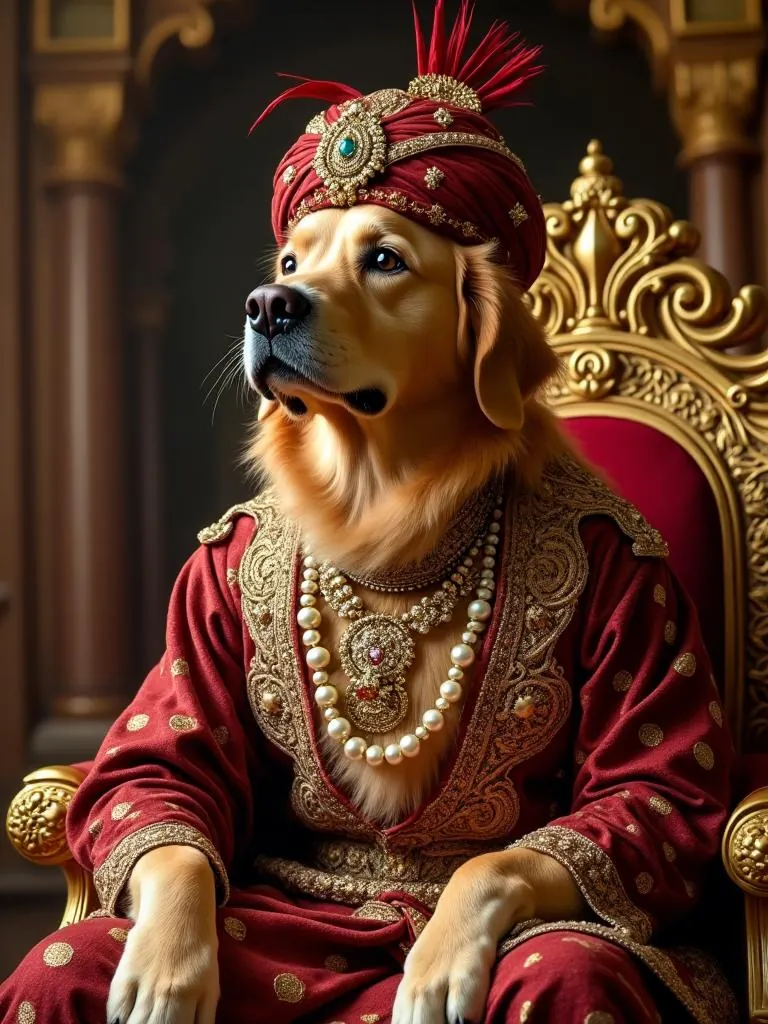
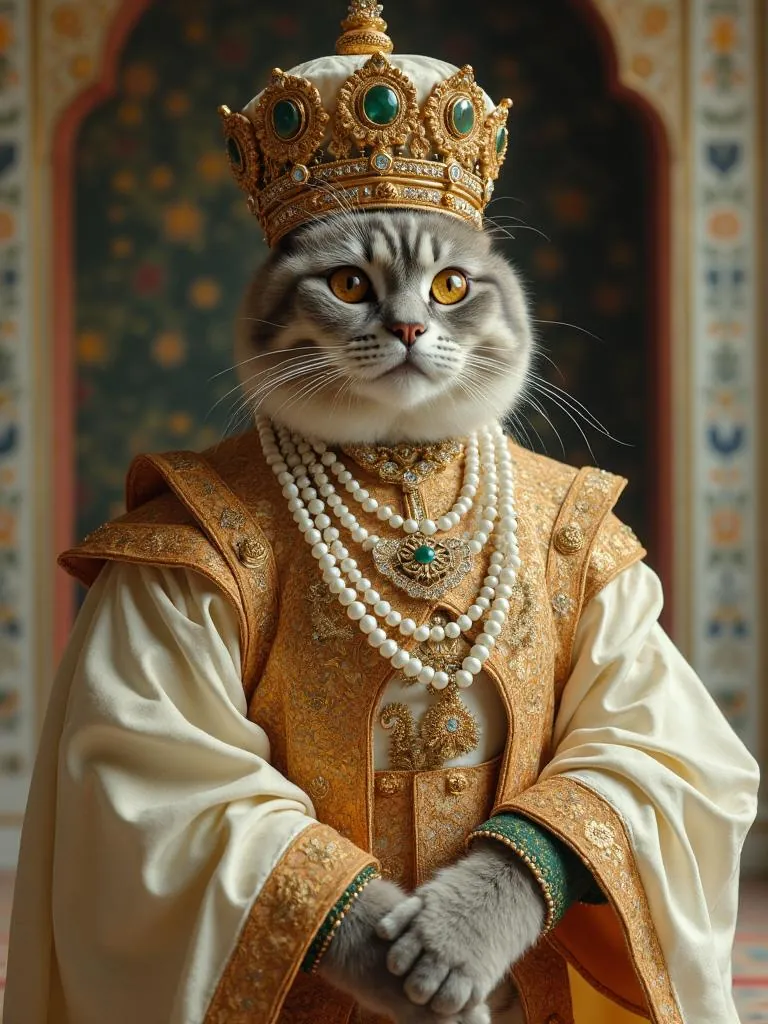
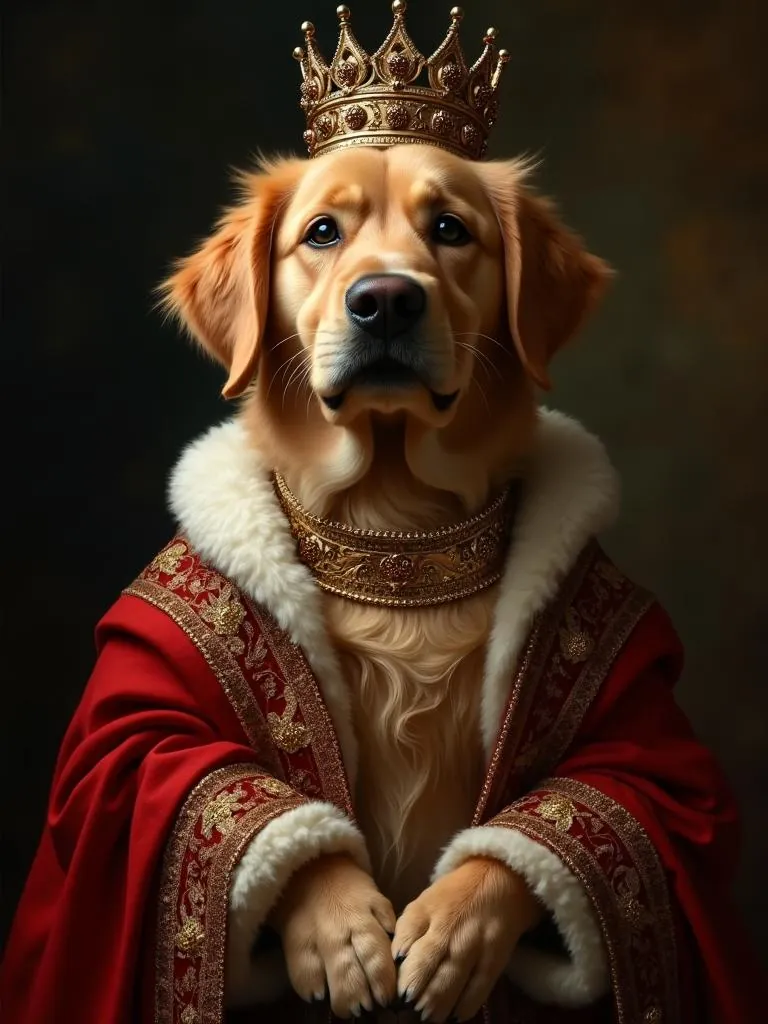
At Purrealism, you add one photo of your pet and choose one of 15 royal portrait styles. The gallery shows finished examples. The Noble Hound, in the Indian Royalty style, shows a golden retriever wearing a royal crown and red robe. The Maharaja portrait shows a golden retriever in a red jewelled turban on a gold throne, and the Mughal Emperor portrait shows a grey cat in a jewelled crown and pearls.
For a memorial, choose a style that matches how you remember your pet. A calm cat that always took the best seat might suit a seated ruler, such as the Maharani or the Mughal Emperor. A dog that guarded the door might suit the Rajput Warrior, which the gallery shows as a dog in armour with a fort at sunset behind it. The guide on choosing a royal portrait style covers coat colour and character in more detail.
You can keep the portrait as a digital pack or order an art print. Prints come in four sizes (8 × 10, 12 × 16, 18 × 24 and 24 × 36 inches) on matte or glossy paper. An 8 × 10 inch print fits on a shelf next to the collar and ID tag, so the portrait and the keepsakes sit together in one place.
How to choose the photo for a memorial portrait
Choosing the photo can be the hardest part, because you can no longer take a new one. Go through your phone, your computer and any printed photos, and look for these things:
- A clear face. The eyes, nose and markings should be sharp. A photo taken at your pet's eye level shows the face best.
- Good light. Daylight from a window or outdoors shows the true colour of the coat. A dark photo can hide markings.
- The pet you remember. If your dog went grey in later years, decide whether you want the grey face or the younger one. Both are true to your pet. Choose the one you most want to see each day.
- A face with nothing in front of it. Pick a photo where no hand, toy or other animal covers your pet's face.
The portrait studio takes one image file of up to 5 MB. If your favourite photo is an old print, lay it flat in daylight and photograph it with your phone held straight above it, so the picture keeps its shape. For more photo tips, read how to photograph your pet for a portrait.
When is Pet Memorial Day?
National Pet Memorial Day falls on the second Sunday in September each year. The International Association of Pet Cemeteries and Crematories (IAOPCC) holds the day. Its page says its members started the day more than 40 years ago to recognize the role pets play in our lives, and it invites owners to find a member nearby to take part.
| Year | National Pet Memorial Day |
|---|---|
| 2026 | Sunday, September 13 |
| 2027 | Sunday, September 12 |
You can mark the day at home: visit the memorial garden, add a new photo to the book, or make a donation in your pet's name.
Calendar websites also list a World Pet Memorial Day and a pet memorial month. We could not find the group that organises either one, so this guide gives dates only for National Pet Memorial Day.
Finding support while you grieve
Grief after the loss of a pet is normal. The AVMA says grief does not follow a set pattern or series of stages, and that talking with other pet owners who have lost a pet is one way to find support. Cornell says each person responds to loss in their own way, with no set timeline.
These services are run by a veterinary school and an animal charity:
- Cornell University Pet Loss Support Hotline. Trained volunteer veterinary students answer the phone. Cornell says the hours change with the seasons, so check its page before you call.
- Blue Cross Pet Loss Support (UK). The UK animal charity Blue Cross runs a free and confidential service by phone, email and webchat, open from 8.30am to 8.30pm every day.
Other pets in the home may change too. Cornell says a surviving pet may seek more attention, seem anxious or withdrawn, or change how it eats, plays or sleeps. It advises a check by a veterinarian for any change that lasts, and for any pet that is not eating or drinking.
Questions and answers
How to memorialize a pet?
To memorialize a pet, choose one small act that fits your home and your memories. Cornell University's College of Veterinary Medicine lists ideas such as planting a flower or tree, making a scrapbook of photos, keeping the ID tag in your wallet, and giving to a cause in your pet's memory. A portrait made from a favourite photo is another choice, and Purrealism offers 15 royal portrait styles for dogs and cats.
What to do for a pet memorial?
A pet memorial can be a small gathering at home, a spot in the garden, or a shelf of keepsakes. The American Veterinary Medical Association suggests looking at past photos, writing a tribute, or writing your pet a letter about your time together. You can read the letter aloud, ask each family member to share one favourite memory, and place the collar or ID tag beside a photo.
How to make a pet memorial garden?
To make a pet memorial garden, pick a spot your pet liked, add a marker with its name, and plant a flower or a tree there. Cornell University's College of Veterinary Medicine suggests an engraved or painted rock in your pet's favourite part of the yard. If other pets live with you, check each plant first: the ASPCA lists lilies as toxic to cats and tulips as toxic to dogs and cats.
What is Pet Memorial Day?
National Pet Memorial Day is a yearly day for remembering pets that have died, held on the second Sunday in September. According to the International Association of Pet Cemeteries and Crematories, its members started the day more than 40 years ago to recognize the role pets play in our lives. The association invites owners to find one of its members nearby and take part.
When is National Pet Memorial Day?
National Pet Memorial Day falls on the second Sunday in September each year, according to the International Association of Pet Cemeteries and Crematories, which holds the day. That rule gives Sunday, September 13, 2026 and Sunday, September 12, 2027. Because the date moves each year, count the Sundays in September to find it for any later year.
When is Pet Memorial Day 2026?
National Pet Memorial Day 2026 was Sunday, September 13, 2026, the second Sunday in September. The International Association of Pet Cemeteries and Crematories sets the day by that rule each year. The next National Pet Memorial Day is Sunday, September 12, 2027, which leaves time to plant a memorial garden, make a photo book or order a portrait before then.
What to put on dog memorial plaque?
A dog memorial plaque can carry the dog's name, the years of its life and one short line. The line can be a nickname, a phrase you said every day, such as "Good girl", or the name of the park where you walked together. Keep the words short, so they stay easy to read on a small plaque or on a painted stone in the garden.
How to make a dog memorial shadow box?
To make a dog memorial shadow box, buy a shadow box, which is a picture frame deep enough to hold small objects, and arrange your dog's keepsakes inside it. Cornell University's College of Veterinary Medicine suggests keeping a favourite photo near the collar, ID tag or a toy, and a shadow box holds all of them together. Add a card with the dog's name and years, then hang it where you pass each day.
Which photo should I use for a memorial pet portrait?
The best photo for a memorial pet portrait shows your pet's face clearly, with sharp eyes and markings, taken in daylight. Choose the age you most want to remember, such as the puppy years or the grey face of later life. The Purrealism portrait studio takes one image file of up to 5 MB, so if your favourite photo is an old print, photograph it flat in daylight first.
Where can I find support after my pet dies?
Support after a pet dies is available from veterinary schools and animal charities. Cornell University runs a Pet Loss Support Hotline answered by trained volunteer veterinary students, with hours that change by season. In the UK, the animal charity Blue Cross runs a free and confidential Pet Loss Support service by phone, email and webchat, from 8.30am to 8.30pm every day.
Sources
- Pet Loss Resources and Support, Cornell University College of Veterinary Medicine
- Coping with the loss of a pet, American Veterinary Medical Association
- National Pet Memorial Day, International Association of Pet Cemeteries and Crematories
- Toxic and Non-Toxic Plants List, ASPCA
- Toxic and Non-toxic Plants: Lily, ASPCA
- Toxic and Non-toxic Plants: Tulip, ASPCA
- Pet Loss Support, Blue Cross
Go deeper
The full guides on this topic, each a set of pages with sources: