Beagle history: from pocket beagles to Reverend Honeywood's pack
Beagle history from Queen Elizabeth I's pocket beagles to Reverend Honeywood's nineteenth century pack, scent hound traits, the nose, and portrait tips.
By Purrealism
The beagle is one of the oldest scent hounds in the English kennel and one of the most popular dog breeds in the world. Its written history begins in the courts of Tudor England, where miniature beagles were kept as royal pets, and runs through a nineteenth century Essex kennel that set the modern standard. This guide follows the beagle from the saddlebags of Elizabeth I to Reverend Honeywood's pack in the eighteen thirties, through its recognition in the United States, and ends with how to photograph one for a royal portrait.
Pocket beagles at the Tudor court
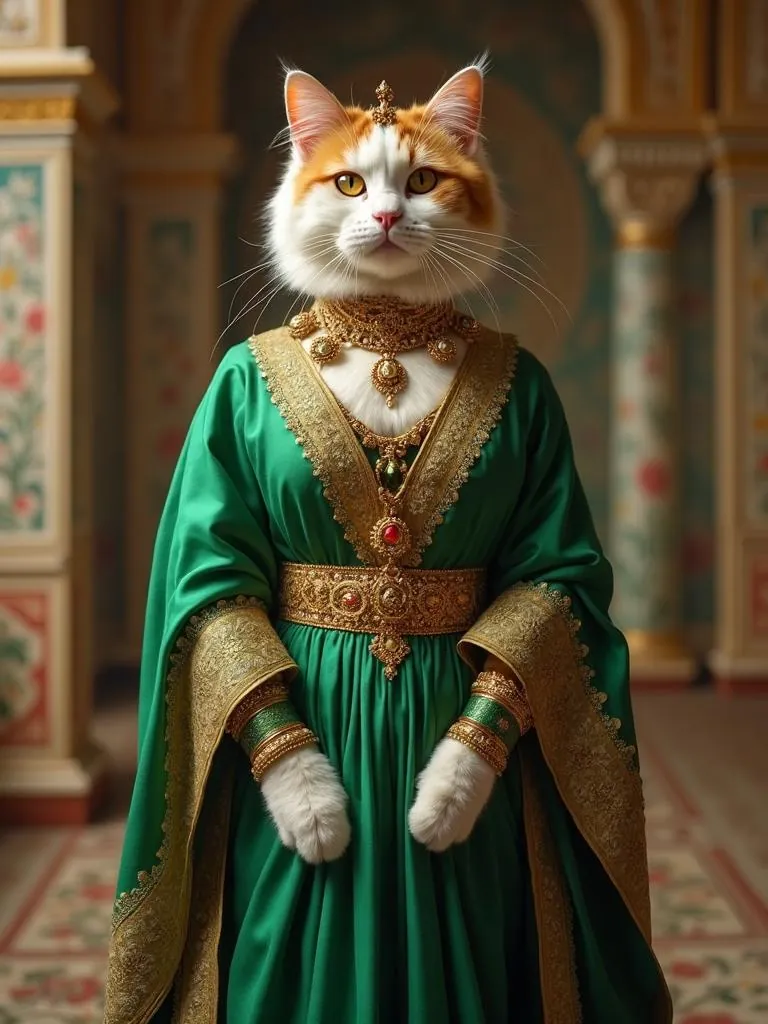
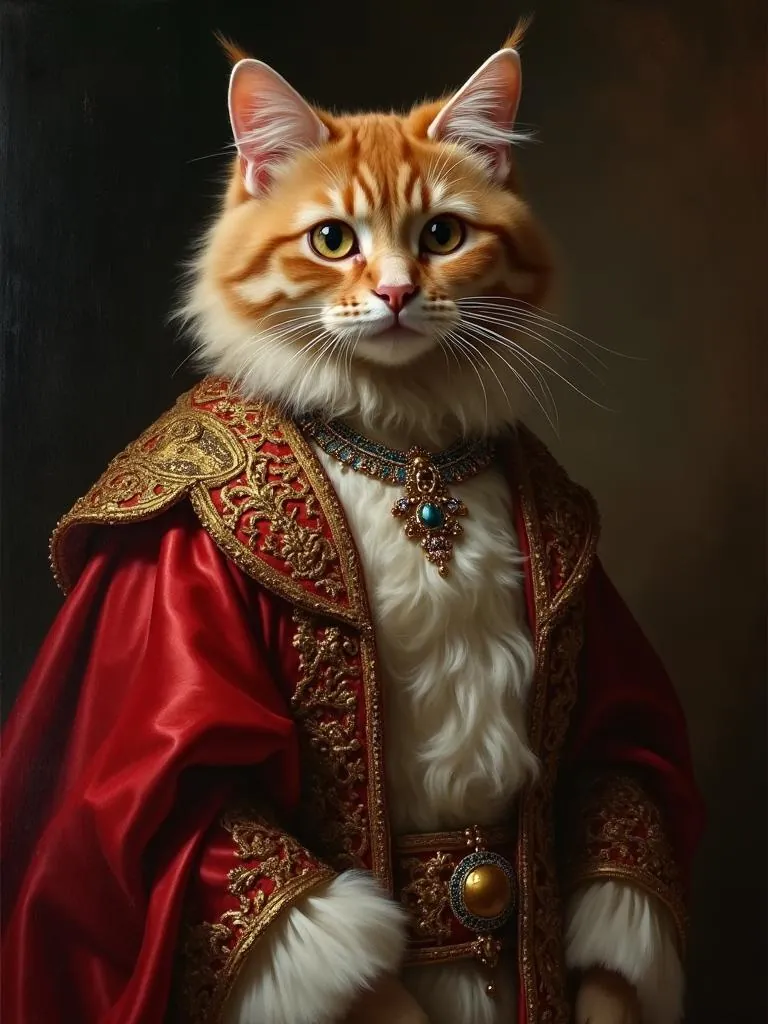
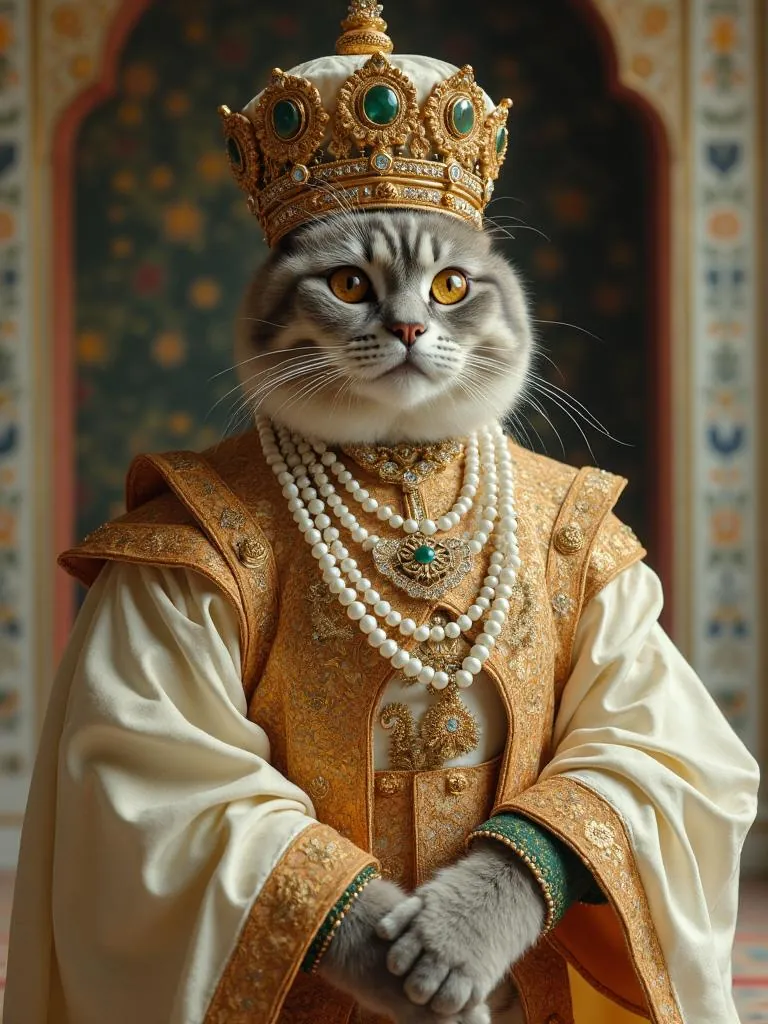
The earliest documented beagles were kept by the English royal family. The American Kennel Club says Queen Elizabeth I was particularly fond of a variety known as the pocket beagle, which stood under nine inches at the shoulder. These very small hounds were used to hunt rabbits in the royal parks and were often carried in a saddlebag or inside a coat pocket until the start of the hunt.
Pocket beagles were a product of selective breeding for size, prized at court as much for novelty as for working ability. The AKC says references to small beagle type hounds appear in English records from the fifteenth century, used by farmers and country gentlemen who could not afford the horses and large hound packs needed for fox or stag hunting. A pack of small beagles could be followed on foot, which made the dogs practical for everyday rural life.
The pocket variety did not survive into the modern era. By the end of the nineteenth century, the small beagle had been bred out of the main population, and the breed standard that was drawn up in England at that time described a larger dog, closer to the beagle recognised today.
Reverend Honeywood's pack
The modern beagle traces back to a single kennel in Essex, England. The American Kennel Club says the Reverend Phillip Honeywood established a pack of beagles in the eighteen thirties that became the basis for the breed. Honeywood's dogs were white and bred for hunting rabbit and hare, and his pack became the model that later breeders used to standardise the beagle's appearance and size.
Honeywood was a country clergyman at a time when a parish living often included enough land to keep a working pack, and his dogs were well known in Essex hunting circles. The pack was later taken over and developed further by Thomas Johnson, an English breeder who added colour to the all-white Honeywood line. Johnson produced the tricolour pattern, black, white and tan, that is now the breed's best known look.
By the eighteen sixties, beagles with the Honeywood and Johnson type were being shown in England, and the Beagle Club was founded in 1890 to write the first official standard. By that point, the pocket beagle variety had effectively vanished, and the dog that English breeders wanted was the slightly larger, sturdier hound used in the Essex kennels.
Arrival in the United States
Beagles came to America in the eighteen hundreds. The American Kennel Club says General Richard Rowett of Illinois imported English beagles after the Civil War, and his dogs became the foundation of the American breed. The Rowett line was later supplemented by imports from other American breeders, and by the end of the century, the beagle was already a popular hunting dog across the United States.
The breed was officially recognised by the American Kennel Club in 1885, when a dog named Blunder became the first beagle entered in the AKC stud book. The National Beagle Club of America followed in 1888, and the first field trial for the breed was held the same year. By the early twentieth century, the beagle was being bred by hundreds of American kennels and had become one of the country's top registered breeds.
American breeders selected for a slightly shorter, more compact dog than the English parent stock, and they developed a wider range of colour patterns. By the middle of the twentieth century, the beagle had become one of the most common pets in the United States, helped by its small size, friendly temperament and low grooming needs.
The nose, the ears and the voice
The beagle was bred as a scent hound, and its physical shape reflects that purpose. The American Kennel Club says a beagle has about two hundred and twenty million scent receptors in its nose, compared to roughly five million in a human. The breed is used today at American airports as part of the Beagle Brigade, which detects food, plants and other contraband in traveller luggage. The small size and friendly look make the dog less intimidating than a larger working breed.
The long ears serve a working purpose. When a beagle lowers its head to follow a scent, the ears fall forward and help sweep scent molecules up toward the nose. The ears are soft and pendulous, and the breed standard calls for them to reach almost to the tip of the nose when drawn forward.
The baying voice of a beagle was bred in on purpose. Hunters working a pack on foot needed to hear the dogs when the quarry was out of sight, and a loud, carrying bay let the hunters follow the pack through dense cover. The sound is particular to the breed and is one reason beagles are not always a suitable choice for apartment living. The AKC describes the bay as a deep, drawn-out howl that is distinct from a bark.
Colour patterns and the white tail tip
The American Kennel Club recognises eleven colour combinations for the beagle. The classic tricolour, black, white and tan, is the most familiar, and it was the pattern Thomas Johnson developed from Honeywood's white pack. Other recognised combinations include lemon and white, red and white, and brown and white. Markings may include ticking and spotting.
Whatever the colour, the breed standard requires a white tip on the tail. The white tip is not for show. It was selected into the breed so that eighteenth century hunters could see the dog in long grass when the pack was working a scent. A beagle with its head down and tail up in tall vegetation would be invisible except for the raised white tail, which acted as a flag for the hunter following on foot.
The breed standard also calls for a slight white blaze on the forehead, which balances the tricolour face and makes the dark eyes stand out. Most beagles show this blaze to some degree, though the width and shape vary.
Size varieties
The American Kennel Club recognises two size varieties of beagle. The under thirteen inch beagle stands less than thirteen inches at the shoulder, and the thirteen to fifteen inch variety stands between thirteen and fifteen inches. Both varieties share the same standard apart from size, and both can appear in the same litter.
At AKC shows the two varieties compete separately. An adult beagle usually weighs between twenty and thirty pounds, which places the breed in the small to medium category. The compact body and short coat made the beagle an easy fit for the suburban American home as the breed moved from hunting pack to family pet during the twentieth century.
Photographing a beagle for a royal portrait
A beagle's best features for a portrait are the long ears, the wide-set brown eyes and the expressive face. The steps below add to the full guide on photographing dogs:
- Sit on the floor at the dog's eye level. A beagle has a short, low stance, and a camera held at human height looks down on the dog and loses the ear shape. Sitting on the floor keeps the camera level with the dog's face.
- Use window light from the side. Side light brings out the three colours of a tricolour coat and separates the black saddle from the tan head. Front light flattens the coat and loses the contrast between the patches.
- Wait for a still moment. A beagle on a scent is in constant motion, and a blurred face is the most common problem in beagle photos. Wait until the dog has stopped, is looking forward, and the nose is still.
- Catch the long ears in motion if you can. A beagle's ears often swing forward when the dog is alert, and catching one ear mid-swing adds energy to a portrait. Hold the camera ready and shoot the moment the dog looks up.
- Choose a plain background. The tricolour coat is already busy. A plain wall or an evenly lit grass background keeps the focus on the face.
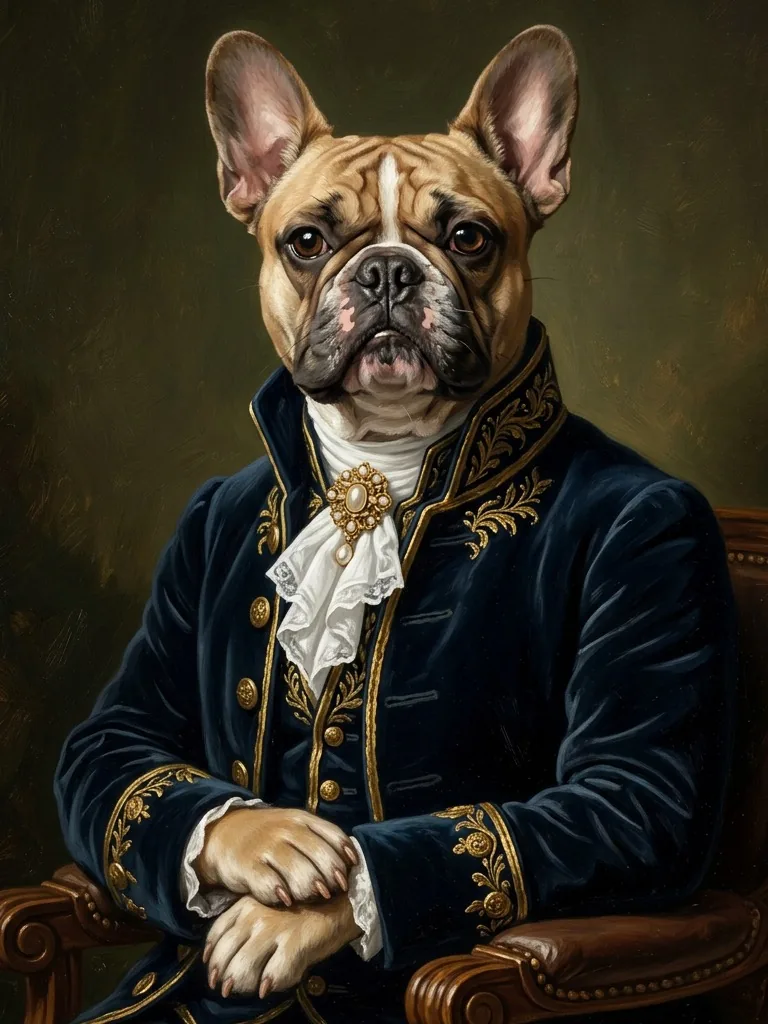
The gallery has portraits of dogs in Maharaja, Rajput and Victorian styles. When your photo is ready, the portrait studio lets you choose from fifteen royal styles and upload a photo of up to five MB.
Questions and answers
Where did beagles come from?
Beagles come from England, where small scent hounds have been used to hunt rabbits and hares since the medieval period. The American Kennel Club traces the modern breed to packs kept in England before the eighteen hundreds. These small hounds were prized for their scenting ability and their voices on a trail. The AKC says beagle type dogs appeared in English records as early as the fifteenth century, used by hunters on foot.
What were pocket beagles?
Pocket beagles were very small hounds, under nine inches at the shoulder, kept by English royalty from the fifteen hundreds to the eighteen hundreds. The American Kennel Club says Queen Elizabeth I kept pocket beagles that were small enough to fit in a saddlebag or a coat pocket. These tiny beagles were used to hunt rabbits in the royal parks and were valued for their novelty as much as for their work. The variety died out in the nineteenth century.
Who was Reverend Phillip Honeywood?
The Reverend Phillip Honeywood was an English clergyman who kept the pack of beagles that became the basis for the modern breed. The American Kennel Club says Honeywood established his pack in Essex in the eighteen thirties, and this pack became the model for the standard beagle appearance and size. Honeywood's dogs were white, which set the colour pattern for later generations. His kennel is the recorded starting point for the breed as it stands today.
When was the beagle recognised as a breed?
The American Kennel Club recognised the beagle in 1885, when a dog named Blunder was registered as the first beagle in the AKC stud book. The National Beagle Club of America was founded in 1888 and the first field trial for the breed was held the same year. The breed standard was drawn up in the late nineteenth century. By the early twentieth century, the beagle was already one of the most popular hunting breeds in the United States.
How did beagles get to the United States?
Beagles arrived in the United States in the eighteen hundreds, when General Richard Rowett of Illinois imported English beagles that became the foundation of American breeding. The American Kennel Club says Rowett's dogs, imported after the Civil War, set the type for the American beagle. American breeders later developed slightly shorter and stockier animals than the English parent stock. Within fifty years, the breed had spread across the country and became one of the top registered breeds.
Why do beagles have such a strong sense of smell?
Beagles have a strong sense of smell because the breed was selected for centuries as a scent hound. The American Kennel Club says a beagle has about two hundred and twenty million scent receptors, compared to roughly five million in a human nose. The long ears help sweep scent toward the nose when the dog is tracking with its head down. This is why the breed is used today at airports to detect food, plants and other contraband in luggage.
How tall is a beagle?
The American Kennel Club recognises two size varieties of beagle. The under thirteen inch variety stands less than thirteen inches at the shoulder, and the thirteen to fifteen inch variety stands between thirteen and fifteen inches. Both varieties share the same breed standard apart from size. An adult beagle usually weighs between twenty and thirty pounds. The two size varieties compete separately at AKC shows but can be bred together, and a single litter may produce both sizes.
What colours do beagles come in?
The American Kennel Club recognises eleven colour combinations for the beagle, with the classic tricolour, black, white and tan, being the most familiar. Other recognised combinations include lemon and white, red and white, and brown and white. Markings include ticking, spotting and tan points. Whatever the colour pattern, the breed standard calls for a white tip on the tail, a feature that let eighteenth century hunters see the dog in long grass when the pack was working a scent.
What is the temperament of a beagle?
The American Kennel Club describes the beagle as merry, friendly and curious. Beagles are pack dogs by history and generally get on well with other dogs and with children. The breed is vocal, with a distinctive baying howl that was bred into it for hunting work. A beagle will follow a scent for a long way if given the chance, so a secure yard and a lead on walks are standard advice for the breed.
How do I photograph a beagle for a royal portrait?
A beagle's best features are its long, soft ears, its wide-set brown eyes and its expressive face. Sit on the floor at the dog's eye level and use window light from the side to bring out the colour patches in the coat. Wait until the ears are relaxed and the dog is looking forward, then tap the nearest eye to focus. The guide to [photographing dogs](/guides/pet-photo-guide/photographing-dogs) has more steps on focus and timing.
Sources
- Beagle Dog Breed Information, American Kennel Club
- Beagle History: Where Did This Breed Come From?, American Kennel Club
- Why Is My Beagle So Loud? The Science Behind the Bay, American Kennel Club
Share this guide
The button copies a ready-written post, then opens LinkedIn. Paste the text into the post box.
Go deeper
The full guides on this topic, each a set of pages with sources: